Chapter 488 | Part 18: Biology of Aging
Biology of Aging · Parts 17-18 – Global Medicine & Aging
Detailed clinical reference synthesised from Harrison's Principles of Internal Medicine, 22nd Edition
🔑 Key Clinical Points
- Aging is a progressive process associated with deterioration in structure and function, leading to increased susceptibility to disease and mortality.
- Evolutionary theories (Mutation Accumulation, Antagonistic Pleiotropy) suggest aging is nonadaptive and not shaped by evolution.
- Disposable Soma Theory hypothesizes evolution selects strategies prioritizing germ cells over somatic maintenance.
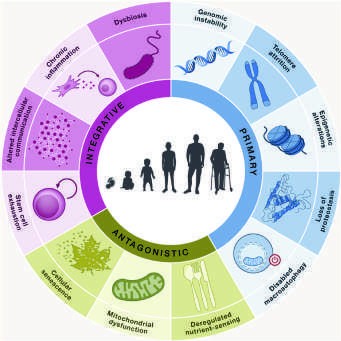
- There are 12 Hallmarks of Aging (Genomic Instability, Telomere Attrition, Epigenetic Alterations, etc.) that are interconnected.
- Caloric Restriction (CR) reduces nutrient-mediated release of growth factors and extends lifespan in multiple species.
- Periodic Fasting (Alternate-day, 5:2, Time-Restricted Feeding) mimics CR benefits with fewer side effects.
- Metformin activates AMPK and inhibits mTOR, mimicking CR effects in model organisms.
- Frailty is defined as a multisystem aging syndrome where aging changes are present in most tissues.
- Inflammaging refers to low-grade activation of the innate immune system with elevated IL-6 and TNF-α.
- Geroscience studies the relationship between aging biology and disease, viewing aging as a risk factor for chronic conditions.
📑 Table of Contents
- 1. DEFINITION & OVERVIEW
- 1.1 Theories of Aging
- 1.2 Disposable Soma Theory
- 1.3 Grandmother Effect
- 2. EPIDEMIOLOGY
- 2.1 Demographic Trends
- 2.2 Disease Incidence
- 3. ETIOLOGY & PATHOPHYSIOLOGY
- 3.1 Hallmarks of Aging
- 3.2 Mechanisms of Aging
- 4. CLINICAL FEATURES
- 4.1 Frailty and Multimorbidity
- 4.2 Clinical Syndromes
- 5. DIFFERENTIAL DIAGNOSIS
- 5.1 Aging vs Disease
- 6. INVESTIGATIONS & DIAGNOSIS
- 6.1 Biomarkers of Aging
- 7. MANAGEMENT & TREATMENT
- 7.1 Caloric Restriction
- 7.2 Pharmacologic Interventions
- Figures & Illustrations
📋 Figures in This Chapter
1. DEFINITION & OVERVIEW
Aging is a progressive process associated with deterioration in structure and function, leading to increased susceptibility to disease and mortality, and often associated with impaired reproductive capacity. There are statistical, biological, and phenotypic components to most definitions of aging. Aging is generally considered to be nonadaptive, meaning it has not been shaped by evolution or genetically programmed. However, many genes influence the aging process, and the initiating process of aging is most likely to involve stochastic, nonprogrammed changes in nuclear maintenance that influence gene expression and repair.
1.1 Theories of Aging
Evolutionary theories of aging attempt to explain why aging, which impairs health and survival, has evolved, and why there is so much variability in lifespan across taxa. These theories were set out by the classic "mutation accumulation" (John B.S. Haldane) and "antagonistic pleiotropy" (George C. Williams) theories of aging.
1.2 Disposable Soma Theory
The disposable soma theory of aging (Thomas Kirkwood) explicitly hypothesizes that evolution selects strategies that prioritize utilization of finite resources to maintain germ cells necessary for reproduction rather than for maintenance of the soma (nongerm cells), hence leading to age-related accumulation of damage to the soma. There is often a trade-off between aging and reproduction. Animals with high extrinsic mortality tend to have short lives, small bodies, and greater reproductive output, while animals with low extrinsic mortality, such as humans and other primates, tend to have longer lives, larger bodies, and fewer offspring.
1.3 Grandmother Effect
There are species, including humans, where evolution could influence late-life survival through what is called the grandmother effect. In these species, survival of offspring depends on the care provided by their long-lived grandmothers. This also explains the development of extended postreproductive survival in humans.
2. EPIDEMIOLOGY
The increase in older people over the past few decades is one of the most significant changes in human history. For the first time, people over the age of 65 years now exceed children under the age of 5 years. Aging is associated with an exponential increase in the incidence of many chronic diseases. This has significant implications for the delivery of health services and aged care in all nations. Older people are living even longer due to advances in medical care but at the cost of longer periods of frailty and disability and of iatrogenic burdens associated with intensive medical care of multiple diseases, such as polypharmacy.
2.1 Demographic Trends
In the United States, the percentage of the population aged ≥65 is projected to increase from 13% in 2010 to 19.3% in 2030. However, old age remains the leading risk factor for major life-threatening disorders. The number of people suffering from age-related diseases is anticipated to almost double over the next two decades.
Table 1 — Table 1: Global Demographics of Aging
| Age Group | Population Count (Relative) |
|---|---|
| 65 years and older | Exceeds children under 5 years |
| Less than 5 years | Exceeded by 65+ population |
2.2 Disease Incidence
Many noncommunicable diseases have an exponential increase in incidence with age. Aging biology is likely to be an integral part of the mechanisms for these diseases. Conditions generally considered to be primarily age-related disorders include dementia, sarcopenia, frailty, and osteoporosis. These conditions are very rare below the age of 50 years.
Table 2 — Table 2: Incidence of Noncommunicable Diseases by Age
| Disease | Age Trend |
|---|---|
| Alzheimer's dementia | Exponential increase |
| Ischemic heart disease | Exponential increase |
| Stroke | Exponential increase |
| Chronic obstructive pulmonary disease | Exponential increase |
| Colon and rectum cancer | Exponential increase |
3. ETIOLOGY & PATHOPHYSIOLOGY
Aging is associated with a range of molecular processes that are remarkably similar between species. These "hallmarks of aging" are the mechanistic pathways that cause aging. The processes are highly interconnected, and impairment of one process will impact the others. The hallmarks include those that act at the various biological strata and together erode various pillars of health. Interventions that alter the behavior of each of these pathways (via genetic manipulation, pharmacologic treatments, or nutritional interventions) influence aging and lifespan of laboratory animals such as mice, fruit flies (Drosophila melanogaster) or worms (Caenorhabditis elegans). Each of the hallmarks is a potential target for pharmacotherapies that might delay aging and the onset of age-related morbidity and increase both health span and lifespan.
3.1 Hallmarks of Aging
The hallmarks include those that act at the various biological strata and together erode various pillars of health. Aging is associated with low-grade activation of the innate immune system, leading to elevated levels of IL-6 and TNF-α and often elevated C-reactive protein and erythrocyte sedimentation rate (ESR) with a lower lymphocyte-to-neutrophil ratio. This has been called "inflammaging." This may be secondary to several factors including the SASP, chronic infection with cytomegalovirus, obesity, leaky gut, and activation of the nuclear factor κB (NF-κB) pathway.
Table 3 — Table 3: The 12 Hallmarks of Aging
| Hallmark | Description |
|---|---|
| Genomic Instability | Integrity of DNA is vulnerable to exogenous and endogenous damage. |
| Telomere Attrition | Telomeres are repeat sequences at the ends of linear chromosomes. |
| Epigenetic Alterations | Gene expression regulated by DNA methylation, histone modification. |
| Loss of Proteostasis | Damaged proteins removed by autophagy-lysosomal system. |
| Disabled Macroautophagy | Sequestration and digestion of proteins and organelles. |
| Deregulated Nutrient Sensing | Nutrition has a profound effect on aging in all species. |
| Mitochondrial Dysfunction | Age-related changes in mitochondria include increased electron leak. |
| Cellular Senescence | Senescent cells have stopped dividing because of telomere shortening. |
| Stem Cell Exhaustion | Numbers of stem cells decline with aging. |
| Altered Intracellular Communication | Signaling pathways undergo changes with old age. |
| Chronic Inflammation | Low-grade activation of the innate immune system. |
| Dysbiosis | Complex changes occur in the gut microbiome with old age. |
3.2 Mechanisms of Aging
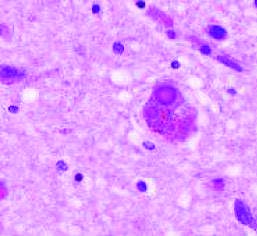
Genomic instability: The integrity of DNA is vulnerable to many exogenous (e.g., irradiation, chemicals, transposons) and endogenous (e.g., oxidative stress) stresses that generate largely random DNA lesions such as point mutations, translocations, and chromosomal anomalies. Mitochondrial DNA is especially susceptible to damage with aging because of its proximity to free radicals produced during oxidative phosphorylation or lack of histones and repair mechanisms. Telomere attrition: In humans, telomeres consist of a redundant TTAGGG sequence repeated several thousand times. Some cells (e.g., germ cells, tumor cells) contain telomerase, which can reform telomeres that are shortened during replication. In most cells, after multiple divisions, the telomeres are truncated to a point where cell division cannot continue. Epigenetic alterations: Gene expression is regulated by DNA methylation, histone modification, chromatin remodeling, and noncoding RNAs. These all change with age, leading to altered transcription of genes, especially those involved with inflammation, mitochondrial function, and autophagy pathways. Loss of proteostasis: Damaged proteins in cells are removed by the autophagy-lysosomal system and ubiquitin-proteosome system. These processes are impaired with aging, which can lead to intracellular and extracellular aggregates of damaged proteins and other cellular components such as lipofuscin, Lewy bodies, neurofibrillary tangles, and amylin. Disabled macroautophagy: Autophagy refers to the sequestration and digestion of proteins (i.e., proteostasis), nonprotein macromolecules (e.g., glycogen), and organelles (e.g., mitochondria, "mitophagy"). Autophagy and the expression of autophagy-related genes decline with old age. Deregulated nutrient sensing: Nutrition has a profound effect on aging in all species. One of the most important nutritional interventions that influences aging is CR. Mitochondrial dysfunction: Age-related changes in mitochondria include increased electron leak and decreased ATP production, primarily due to impaired complex IV activity. Mitochondrial DNA damage accumulates with age, and mitochondria may become swollen with disrupted cristae. Cellular senescence: Senescent cells have stopped dividing because of either telomere shortening or other damage mediated by the INK4/ARF system. Stem cell exhaustion: The numbers of stem cells decline with aging, probably secondary to replicative senescence and telomere shortening. Altered intracellular communication: Many signaling pathways undergo changes with old age including insulin/IGF-1, dopaminergic, sex hormones, growth differentiation factor 11 (GDF11), and the renin-angiotensin system. Dysbiosis: Complex changes occur in the gut microbiome with old age in humans.
4. CLINICAL FEATURES
Aging is associated with an exponential increase in the incidence of many chronic diseases. This has significant implications for the delivery of health services and aged care in all nations. Older people are living even longer due to advances in medical care but at the cost of longer periods of frailty and disability and of iatrogenic burdens associated with intensive medical care of multiple diseases, such as polypharmacy. Establishing the relationship between aging and disease, particularly noncommunicable disease, is one of the most important goals for biomedical research. Studies in animal models confirm that aging is malleable. The "longevity dividend" refers to the concept whereby an intervention that slows the aging process is likely to delay the onset of a wide range of age-related diseases and syndromes, as well as potentially increasing years of healthy lifespan ("health span").
4.1 Frailty and Multimorbidity
Frailty can be defined as a multisystem aging syndrome where aging changes are present in most tissues, leading to multiple deficits and impaired function. The presence of several chronic diseases, termed multimorbidity, represents aging changes that are more advanced in several tissues. These conditions are very rare below the age of 50 years.
4.2 Clinical Syndromes
There are several conditions that are generally considered to be primarily age-related disorders, including dementia, sarcopenia, frailty, and osteoporosis. These conditions are very rare below the age of 50 years. Although the usual dogma is that aging is a process that increases susceptibility to diseases, the relationship between chronic disease and aging may be much more fundamental. The pathogenesis of most chronic diseases includes one or more of the hallmarks of aging, and differences between disease and normal aging are defined by a quantitative difference in the expression of these hallmarks and the tissues that are affected. Likewise, the difference between aging and disease in terms of the clinical features is often based on quantitative artifacts, increasing the possibilities and time windows for experimental discrepancies.
5. DIFFERENTIAL DIAGNOSIS
The difference between aging and disease in terms of the clinical features is often based on quantitative artifacts, increasing the possibilities and time windows for experimental discrepancies. Some inconsistencies in the field arise from overinterpreting the results of animal models with shortened lifespan and scenarios of accelerated aging. Then, chronic disease can be considered a manifestation of aging that is predominant in a particular tissue. The presence of several chronic diseases, termed multimorbidity, represents aging changes that are more advanced in several tissues. Frailty can be defined as a multisystem aging syndrome where aging changes are present in most tissues, leading to multiple deficits and impaired function.
5.1 Aging vs Disease
Aging is an intrinsic feature of human life whose manipulation has fascinated humans ever since becoming conscious of their existence. Several long-term experimental interventions (e.g., resveratrol, rapamycin, spermidine, and metformin) may open doors for pharmacologic strategies. Surprisingly, most of the effective aging interventions proposed to date converge on only a few molecular pathways: nutrient signaling, mitochondrial proteostasis, and the autophagic machinery. Lifespan is inevitably accompanied by a gradual functional decline, steady increase of several chronic diseases, and ultimately death.
6. INVESTIGATIONS & DIAGNOSIS
Epigenetic modifications are also an emerging target for CR. The first clinical trial of CR in people at average weight (a body mass index between 20 and 25) started in 2007. The Comprehensive Assessment of Long-Term Effects of Reducing Intake of Energy (CALERIE) included 143 adults between the ages of 21 and 50 years intending to reduce their caloric intake by 25% of their typical intake for 2 years; also included was a group of 75 people who remained on their normal diets and caloric intake. CALERIE has provided evidence for improvements to the quality of life, immune health, cardiometabolic integrity, liver function, and skeletal muscle quality, even though the participants only reached a moderate level of CR (11.9 ± 0.7%) over the 2-year span. CR in this clinical trial also led to a reduction in the rate of biological aging measured by a series of common clinical biomarkers of preservation of physiologic and functional integrity (e.g., liver enzymes, albumin, fasting blood glucose, insulin, and blood pressure). At the molecular level, gene expression analyses in a subset of CALERIE participants indicate that CR induces the regulation of core longevity pathways linked to the preservation of mitochondrial function and stability, lowering chronic inflammation and reducing oxidative stress.
6.1 Biomarkers of Aging
Epigenetic clocks (e.g., "Horvath epigenetic clock") reflect chronologic age. Histones are proteins that package DNA into nucleosomes, thus influencing DNA available for transcription. The DNA code (a digital information system) is relatively stable with aging. There are consistent age-related changes in the pattern of DNA methylation in human blood samples that have been called "epigenetic clocks" because they reflect chronologic age.
7. MANAGEMENT & TREATMENT
Molecules, drugs, and other interventions that might decelerate and aging processes continue to be a major focus among the general public and scientists of all biological and medical fields. Over the past three decades, this interest has taken root because many of the molecular mechanisms underlying aging are interconnected and linked with pathways that cause diseases, including cancer and cardiovascular and neurodegenerative disorders. Unfortunately, results often lack reproducibility because of the unavoidable problem of the time needed to assess the effectiveness of antiaging interventions in mammals. Experiments lasting the lifetime of animal models are prone to the unavoidable problem of the time needed to assess the effectiveness of antiaging interventions in mammals. Molecules, drugs, and other interventions have been proposed to have antiaging properties throughout history and into the present. In the following sections, interventions will be restricted to those that meet the following highly selective criteria: (1) promotion of lifespan and/or health span, (2) validation in at least three model organisms, and (3) confirmation by at least three different laboratories. These include CR and intermittent fasting regimens, some pharmacotherapies (resveratrol, rapamycin, spermidine, and metformin), and exercise.
7.1 Caloric Restriction
One of the most important and robust interventions that delays aging is CR. This outcome has been recorded in rodents, dogs, worms, flies, yeasts, monkeys, and prokaryotes. CR is defined as a reduction in the total caloric intake, usually of ~30%, and without malnutrition. CR reduces the nutrient-mediated release of growth factors, such as GH, insulin, and IGF-1, which have been shown to accelerate aging and enhance the probability for mortality in many organisms. The effects of CR in monkeys have been assessed in two studies with different outcomes: one study observed prolonged life, while the other did not. In these monkey studies, there were key differences in the onset of the intervention, diet composition, feeding protocols, and genetic background that may explain this discordance. However, both studies confirmed that CR increases health span by reducing the risk for diabetes, cardiovascular disease, and cancer. In humans, CR is associated with extended lifespan and increased health span. This is most convincingly demonstrated in Okinawa, Japan, where one of the most long-lived human populations resides. In comparison to the rest of the Japanese population, Okinawan people usually combine an above-average amount of daily exercise with a below-average food intake. However, when Okinawan families moved to Brazil, they adopted a Western lifestyle that affected both exercise and nutrition, causing a rise in weight and a reduction in life expectancy by nearly two decades.
7.2 Pharmacologic Interventions
Resveratrol: Resveratrol, an agonist of SIRT1, is a polyphenol that is found in grapes and red wine. The potential of resveratrol to promote lifespan was first identified in yeast, and it has gathered fame since, at least in part, because it has been suggested to be responsible for the so-called French paradox whereby wine reduces some of the cardiometabolic risks of a high-fat diet. Resveratrol has been reported to increase lifespan in many lower-order species such as yeast, fruit flies, worms, and fish, as well as mice on high-fat diets. In monkeys fed a diet high in sugar and fat, resveratrol had beneficial outcomes related to inflammation and cardiometabolic parameters. Some studies in humans have also shown improvements in cardiometabolic function, while others have not. Studies in animals and humans reveal that resveratrol mimics some of the metabolic and gene expression changes of CR. In most experimental models, resveratrol induces beneficial health effects by suppressing inflammation, oxidative damage, tumorigenesis, and immunomodulatory activities. Resveratrol also leads to improvements in mitochondrial function and protection against obesity, cancer, and cardiovascular dysfunction. Rapamycin: Rapamycin, an inhibitor of mTOR, was originally discovered on Easter Island (Rapa Nui, hence its name) as a bacterial secretion with antibiotic properties. Before its emergence in the antiaging arena, rapamycin was known as an immunosuppressant and cancer chemotherapeutic in humans. Rapamycin extends lifespan in all organisms tested so far, including yeast, flies, worms, and mice. However, the potential utility of rapamycin in lifespan extension in humans is likely to be limited by adverse effects related to immunosuppression, impaired wound healing, proteinuria, and hypercholesterolemia, among others. An alternative strategy may be the implementation of intermittent rapamycin treatment, which was found to increase mouse lifespan. Spermidine: Spermidine is a physiologic polyamine that induces autophagy-mediated lifespan extension in yeast, flies, and worms. Endogenous spermidine levels decrease during life in virtually all organisms including humans, with the remarkable exception of centenarians. Oral administration of spermidine or upregulation of bacterial polyamine production in the gut leads to lifespan extension in short-lived mouse models. The lifespan effects of spermidine are mediated through the inhibition of histone acetylases and the activation of autophagy genes, such as atg7, atg11, and atg15. Spermidine has also been found to have beneficial effects on neurodegeneration and cardioprotection through activation of autophagy. Spermidine supplementation is safe in humans and has been associated with positive effects on cognitive function of older adults and on blood pressure maintenance. Metformin: Metformin, a biguanide first isolated from the French lilac, is widely used for the treatment of type 2 diabetes. Metformin decreases hepatic gluconeogenesis and increases insulin sensitivity. Other actions of metformin include AMPK activation, leading to mTOR inhibition and lower mitochondrial complex I activity, and activation of the transcription factor SKN-1/Nrf2. Metformin increases lifespan in different mouse strains including female mice predisposed to high incidence of mammary tumors. At a biochemical level, metformin supplementation is associated with reduced oxidative damage and inflammation and mimics some of the gene expression changes seen with CR. Based on experimental data on the positive outcomes in model organisms and the evidence emerging from epidemiologic studies, a clinical trial known as TAME (Targeting Aging with Metformin) has been initiated to assess whether metformin can delay the onset of age-related diseases beyond its effects on glucose metabolism. TAME is planning to enroll 3000 subjects, ages 65–79, in a multicenter trial in the United States.
Figures & Illustrations
Reproduced from Harrison's 22nd Edition.
Figure 1

Caption: FIGURE 488-8 Chemical structure of four agents (resveratrol, rapamycin, spermidine, and metformin) that have been shown to delay aging in experimental animal models. — Figure 488-1: Globally, people over the age of 65 years now exceed children under the age of 5 years, illustrating demographic shifts in aging populations.
Figure 2

Caption: FIGURE 488-7 Nutrient sensing pathways. The main molecular switches that respond to influence a range of downstream intermediaries (some of these are shown in the gray autophagy, mitochondria, and protein synthesis. — Figure 488-2: Incidence of many noncommunicable diseases (Alzheimer's dementia, Ischemic heart disease, Stroke, etc.) shows an exponential increase with age.
Figure 3
Caption: FIGURE 488-2 Many noncommunicable diseases have an exponential increase in these diseases. — Figure 488-3 Part A: Biological component of aging definitions encapsulated by the 12 hallmarks of aging.
Figure 4

Caption: FIGURE 488-1 Globally, people over the age of 65 years now exceed children under the age of 5 years. — Figure 488-3 Part B: Phenotypic component of aging definitions including many chronic diseases and syndromes of aging.
Figure 5

Caption: FIGURE 488-5 The hallmarks of aging include 12 processes that form the changes of aging and age-related diseases and syndromes. — Figure 488-3 Part C: Statistical component of aging definitions involving an exponential (Gompertz) increase in the risk of mortality with age.
Figure 6

Caption: FIGURE 488-5 The hallmarks of aging include 12 processes that form the changes of aging and age-related diseases and syndromes. — Figure 488-4: Comparative aging across species showing negligible senescence (clams, sharks) versus programmed aging (semelparous animals like salmon).
Figure 7
Caption: FIGURE 488-5 The hallmarks of aging include 12 processes that form the changes of aging and age-related diseases and syndromes. — Figure 488-5: The 12 hallmarks of aging including genomic instability, telomere attrition, epigenetic alterations, and mitochondrial dysfunction.
Figure 8

Caption: FIGURE 488-5 The hallmarks of aging include 12 processes that form the changes of aging and age-related diseases and syndromes. — Figure 488-6: Impaired proteostasis with old age contributing to accumulation of aggregates (lipofuscin, Lewy bodies, neurofibrillary tangles, amylin).
Figure 9

Caption: FIGURE 488-4 Some animals undergo negligible senescence, while others such as the semelparous animals undergo programmed aging and death. In some long- lived species, including humans, there is a prolonged postreproductive period that can evolve because of the beneficial effects of grandmothers on survival of infants. — Figure 488-7: Nutrient sensing pathways (Insulin/IGF-1, mTOR, AMPK, SIRT1, FGF21) influencing downstream intermediaries and cellular processes.
Figure 10

Caption: FIGURE 488-4 Some animals undergo negligible senescence, while others such as the semelparous animals undergo programmed aging and death. In some long- lived species, including humans, there is a prolonged postreproductive period that can evolve because of the beneficial effects of grandmothers on survival of infants. — Figure 488-8: Chemical structures of four agents (resveratrol, rapamycin, spermidine, and metformin) shown to delay aging in experimental animal models.
Figure 11

Caption: FIGURE 488-4 Some animals undergo negligible senescence, while others such as the semelparous animals undergo programmed aging and death. In some long- lived species, including humans, there is a prolonged postreproductive period that can evolve because of the beneficial effects of grandmothers on survival of infants. — Table 1: Demographic comparison showing the number of people over 65 years versus children under 5 years globally.
Figure 12

Caption: FIGURE 488-4 Some animals undergo negligible senescence, while others such as the semelparous animals undergo programmed aging and death. In some long- lived species, including humans, there is a prolonged postreproductive period that can evolve because of the beneficial effects of grandmothers on survival of infants. — Table 2: Disease incidence rates by age for conditions such as Alzheimer's dementia, Ischemic heart disease, and Colon cancer.
Figure 13

Caption: FIGURE 488-4 Some animals undergo negligible senescence, while others such as the semelparous animals undergo programmed aging and death. In some long- lived species, including humans, there is a prolonged postreproductive period that can evolve because of the beneficial effects of grandmothers on survival of infants. — Table 3: The 12 Hallmarks of Aging including Genomic Instability, Telomere Attrition, Epigenetic Alterations, and Loss of Proteostasis.
Figure 14

Caption: FIGURE 488-4 Some animals undergo negligible senescence, while others such as the semelparous animals undergo programmed aging and death. In some long- lived species, including humans, there is a prolonged postreproductive period that can evolve because of the beneficial effects of grandmothers on survival of infants. — Table 4: Pharmacologic interventions (Resveratrol, Rapamycin, Spermidine, Metformin) with mechanisms and effects on aging pathways.
Generated from Harrison's Principles of Internal Medicine, 22nd Edition.